Evaluation – from Teen Research to Classroom Learning
Together, the findings from DIG CAMP and DIG IT demonstrate how meaningful, place-based geosciences learning can have lasting impacts across different educational approaches. DIG CAMP engaged teens directly in authentic geosciences research, mentoring, and career exploration. Building on this work, DIG IT shifted the focus to supporting teachers in bringing locally relevant geosciences, community geosciences partnerships (including field trips), and real-world data into their classrooms. Although the approach evolved—from working directly with students to reaching students through their teachers—evaluation findings show that many of the same impacts carried forward, including stronger geosciences understanding, data-literacy skills, connections to students’ lives and communities, and awareness of STEM careers and pathways.
DIG CAMP Project evaluation highlighted six key findings:
- After the program, DIG CAMP students identified more closely with STEM professionals,
although STEM identity development extends beyond STEM professional identity. - DIG CAMP introduced students to a wide range of STEM professionals, and affirmed orclarified students’ career interests.
- DIG CAMP students increased their sense of competency in data skills.
- DIG CAMP deepened students’ valuation of science and climate change topics within theirlocal communities.
- DIG CAMP provided science learning experiences that were not readily available to students elsewhere in their schools and communities.
- DIG CAMP helped students visualize higher education pathways and prepare for college.
Click here to read our Executive Summary of evaluation findings for DIG CAMP. More detailed information is available upon request to the project PIs.
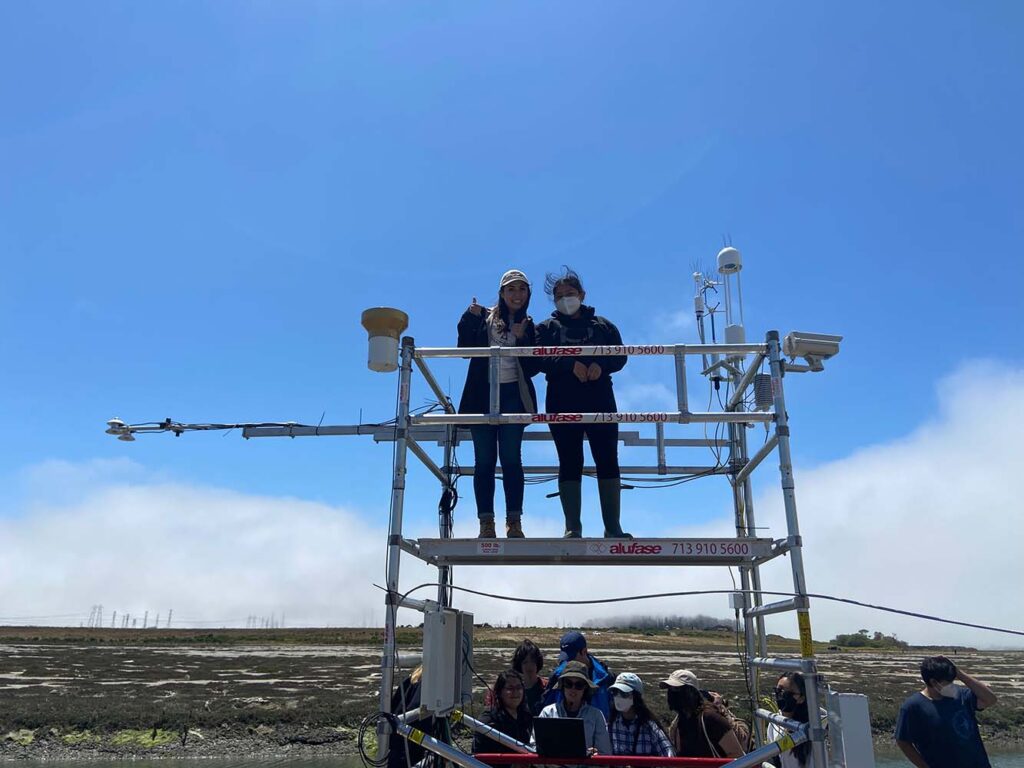
“DIG CAMP has introduced me to many different fields in the STEM field and has shown me that they are not as intimidating as I thought they were. I have come to learn that I am capable of comprehending and doing things in new areas.”
“DIG CAMP has broadened my knowledge about the ocean and the environments around me. I learned to be more aware of my actions and how they can affect the animals and plants both negatively and positively.”
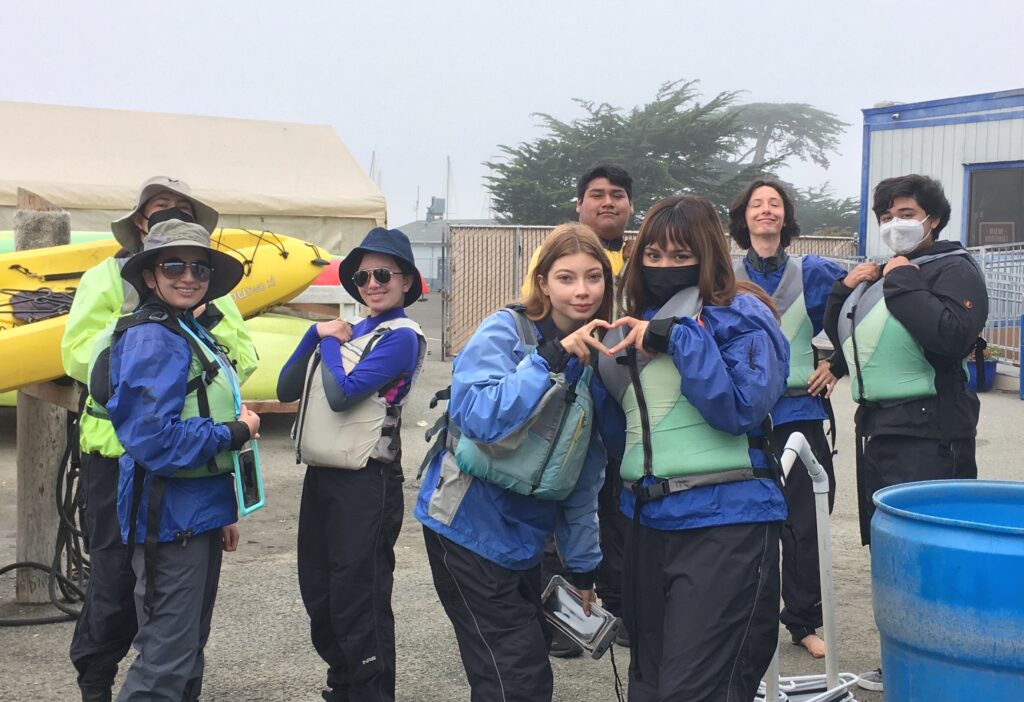
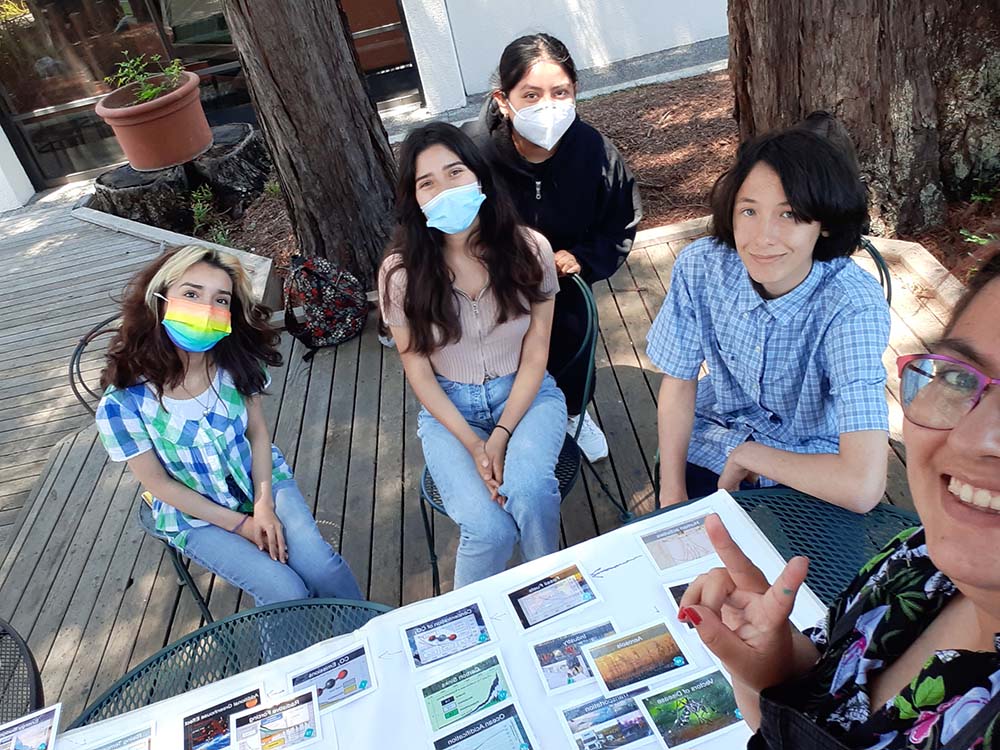
“DIG CAMP helped me see how much I really enjoyed learning about science in general. I saw that many people were wanting to preserve our natural world for the future, and that’s the mission I want to fight for alongside these professionals. Also being a racial minority, this program helped me truly see that people like us can make a difference in the world and I want to contribute to that as much as I can.”
DIG IT Project Evaluation Key Student Findings
The student outcomes evaluation aimed to address these questions:
1. What evidence suggests that DIG IT influenced students’ perceived relevance of geosciences, geosciences and data-literacy competency, science identity, STEM identification, and understanding of geosciences careers and professionals?
2. What aspects of DIG IT did students describe as meaningful or influential in their learning, engagement, and understanding of geosciences and STEM careers?
3. To what extent were positive student outcomes evident across both implementation cohorts and among students experiencing DIG IT-connected learning during continued or repeat participation?
4. Do students experience a more locally-centered geosciences and data literacy skill building in their classroom work?
To answer these questions, the evaluation drew on student surveys and open-ended responses as the primary evidence, supplemented by teacher reports of student impact and project records used to contextualize student reach.
- Students reported significant gains across all measured outcomes. Across both cohorts, students showed statistically significant increases in the perceived value and relevance of geosciences, understanding of career pathways, confidence with geosciences and data, science identity, and perceptions of STEM professionals.
- The greatest gains were in relevance and competency. Students reported stronger understanding of how geosciences connects to their lives and future jobs, as well as increased confidence engaging with geosciences concepts and data. Gains in science identity and perceived similarity to STEM professionals were positive but more modest.
- DIG IT broadened awareness of geosciences careers. More than 80% of students reported increased awareness of local geosciences jobs (84.6%), the skills and training required (83.5%), and career benefits (81.4%). Awareness gains were more consistent than changes in personal career interest, underscoring the value of expanding students’ knowledge of opportunities without directing them toward particular career paths.
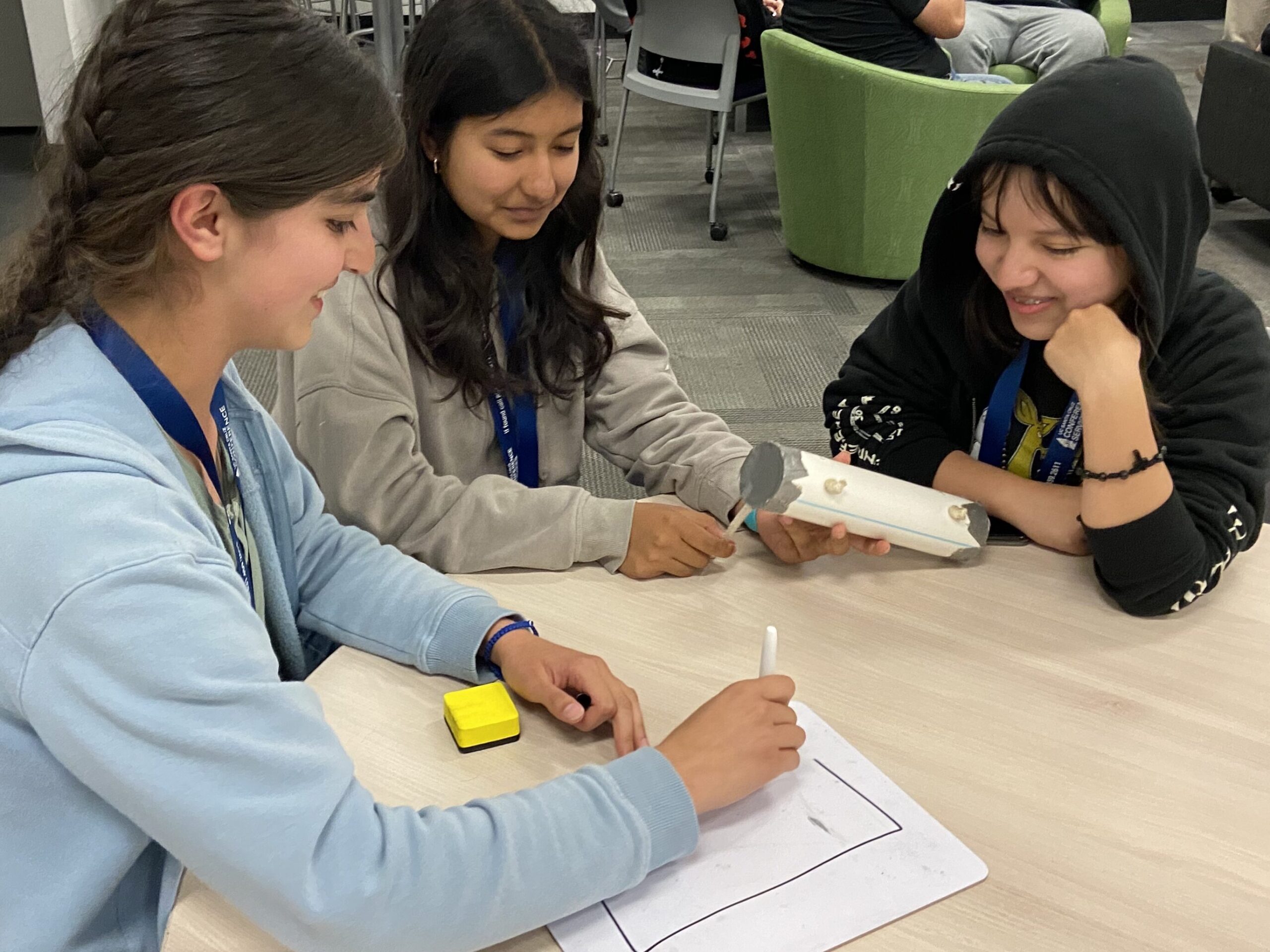
- Hands-on and field experiences made science meaningful. More than half of students who provided substantive written responses (54.5%) highlighted direct, experiential engagement with science as a meaningful part of their learning.
- Positive outcomes continued across cohorts and implementation years. Students showed gains across different teachers, courses, school contexts, and Community Science Partners. Students with prior DIG IT exposure (e.g., students in a DIG IT teachers’ class during the second year of implementation who had had a DIG IT teacher during the prior) also continued to demonstrate significant gains across most outcomes, suggesting that positive outcomes were sustained beyond students’ first experience with the program.
- Teachers affirmed the value of locally relevant, data-rich instruction. Teachers most consistently reported improvements in students’ understanding of geosciences, perceived relevance, and data literacy, although changes in students’ general interest in geosciences were more mixed.
Overall, findings suggest that DIG IT’s model of connecting science teachers with local geosciences organizations can support meaningful student learning across diverse high school science courses. The combination of local context, authentic scientific data and practices, community partner expertise, classroom preparation, and experiences beyond the classroom offers a flexible approach to making science more relevant and accessible.
“Before, I didn’t have a big idea of the jobs like the ones in [Community Organization], but afterwards I got a grand idea and vision board in my mind.” – DIG IT student
“During the field trip, I learned a lot about the jobs in my community [that] rely on the geosciences and how much of my life is impacted by these jobs. Understanding the processes of recycling water is important to be an active member of my community.” – DIG IT student
“I knew geosciences played an important role in having knowledge in this world, but once [Classroom Teacher] taught us more about it in depth, I feel like I have better knowledge of how important geoscience is and how much of a key role it plays.” – DIG IT student
“Geoscience is an important thing in the world and over the course of this year and unit I have learned specific ways in which it helps to make the world a better place for us to live in.” – DIG IT student
Students described learning to “look at data and see patterns” and to “understand what the numbers mean for real situations.”
“I noticed students more curious and driven when asking and answering questions about their local environment. For example, instead of just talking about treatment of wastewater in general, students were curious about what happens to the actual water from their house and what would happen to their local beaches if that water wasn’t properly treated.” DIG IT Teacher
Click here to read our full DIG IT student evaluation report.
Evaluation note: Findings reflect student-reported retrospective pre/post changes. Because the evaluation was nonexperimental, the observed gains cannot be attributed solely to DIG IT.
Please check back later for teacher findings.